
Welcome to Access Point, your monthly roundup of the latest news and opportunities from the Access Georgia Foundation and our partners across the entrepreneurial ecosystem.
Read on to learn what’s happening this month!
Table of Contents
Inside the Access Investor Showcase
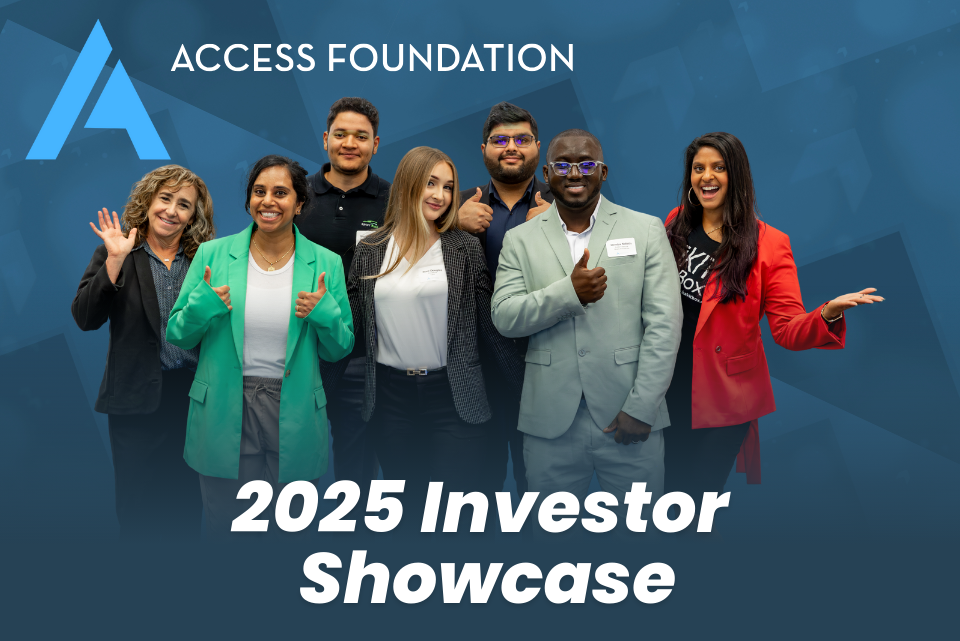
On Saturday, seven companies from the Access Cohorts pitched live to an audience of judges, investors, and entrepreneurs at the annual Investor Showcase. Founders also fielded questions from the Access judges on their startups’ growth trajectory and long-term viability. They shared how they are carving out defensible moats and positioning their companies to become lasting players in their markets, helping investors in the room see their potential for strong ROIs.
Following the pitching rounds, Access judges ranked the companies to determine the order of investment allocation:
1st: FrontHouz
2nd: Swift Ride
3rd: BāKIT Box
4th: MeBeBot
5th: Campground Systems, Tressed, and Jootal
Over the next month, the Access Board will conduct due diligence to finalize allocations from the Access 2025 LLC mini-fund. Those wanting to invest in the mini-fund can begin by filling out an interest form. Investments begin at $10k and range to $25k.
Founders Accelerator members will receive a one-year membership to TiE Atlanta, giving them continued opportunities to expand their networks and strengthen their ventures beyond the Access program.
This year’s showcase reflected the expanding reach and impact of the Access Georgia Foundation. Founders logged more than 7,000 mentor minutes across the combined Founders Cohort and Founders Accelerator, with new participants now joining from across the U.S., not just the Southeast!
After the pitches, a panel of Access leaders – Devika Rao (CEO of 23 East Group), Andrew Brümmer (Founder & CEO of The Ardunan Village), Jon Gosier (Founder & CEO of FilmHedge), and Bryan Hobbs (Founder & CEO of Pruuvn) – shared insights on mentorship and business development. Andrew, who’s mentored for Access since its inception in 2020, shared how mentoring early-stage founders keeps him engaged with the newest ideas and innovations. Jon and Bryan urged entrepreneurs to “go into uncomfortable rooms” and treat every conversation as a future investment opportunity.
Access Week kicked off with the Access Happy Hour on Tuesday evening, bringing together founders and members of Metro Atlanta’s business community to connect ahead of the showcase.
Sharpen Your Entrepreneurial Skills with Free Verizon Courses
The Investor Showcase reminded us that successful founders don’t just have great ideas; they know how to communicate their ideas and build the connections to make growth possible.
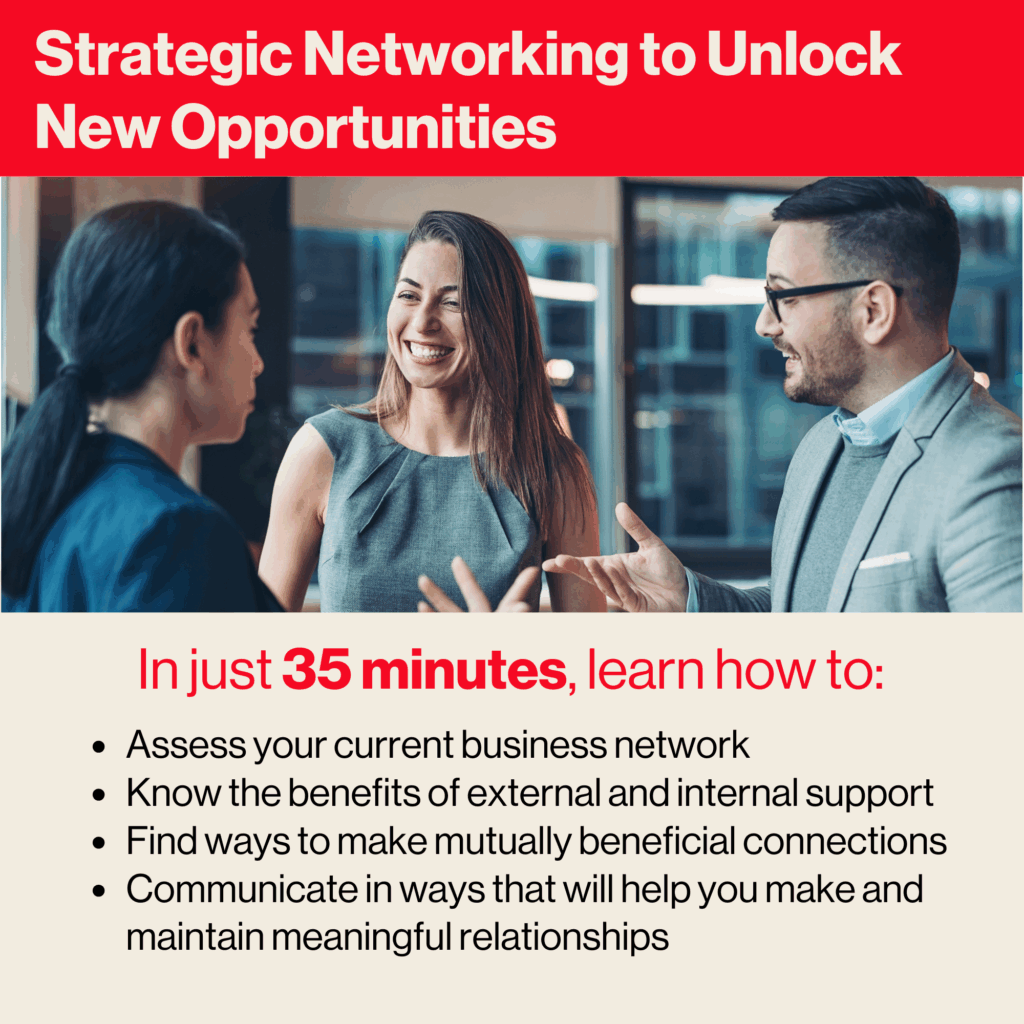
These two free Verizon Digital Ready courses are designed to help small business owners and entrepreneurs sharpen those skills. Each course takes just over 30 minutes, making them practical to fit into anyone’s schedule.
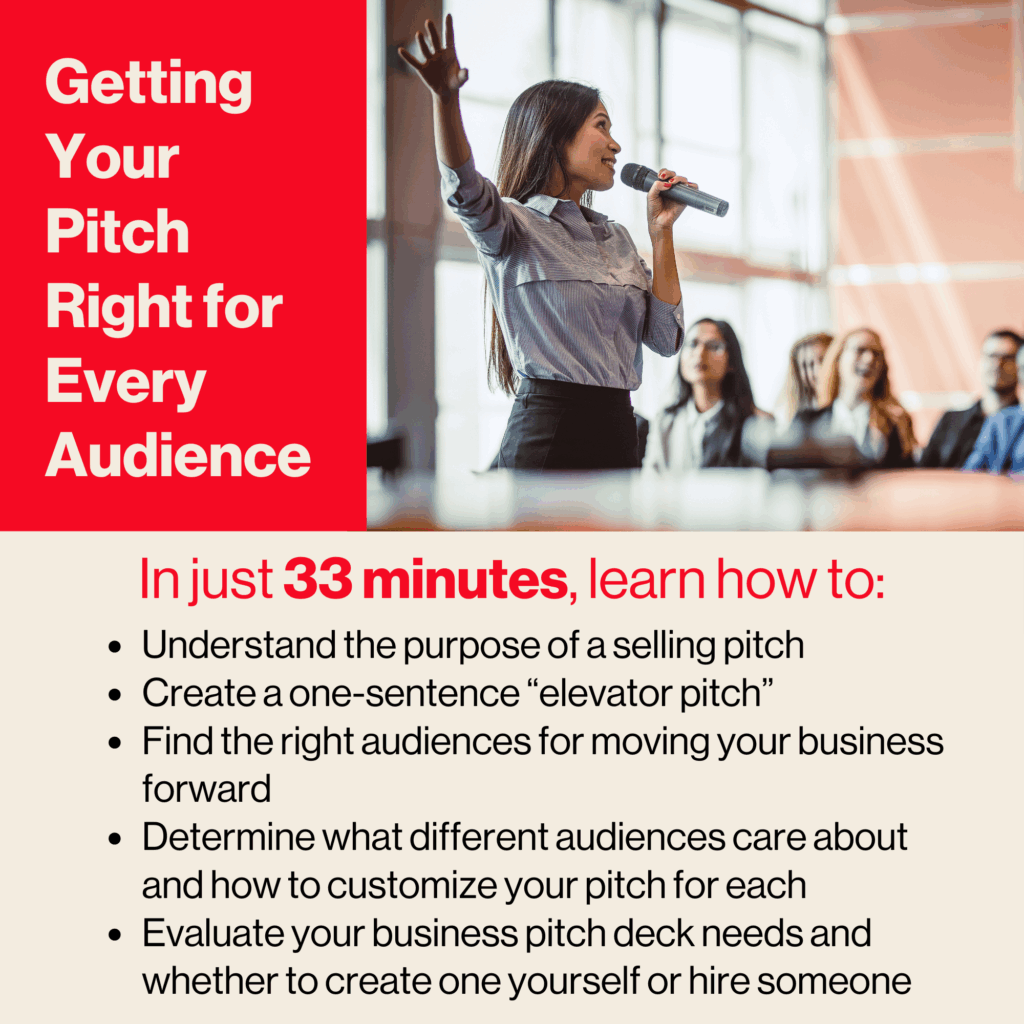
Learn how to craft a clear, compelling message that resonates with investors, customers, and partners. This course guides you through building an elevator pitch and refining how you present your business to different audiences.
This course is your key to building strong networks that open doors. You’ll learn how to evaluate the network you have now and how to cultivate support systems that will sustain your entrepreneurial journey long-term.
Board Member SPOTLIGHT: Micheal Binns
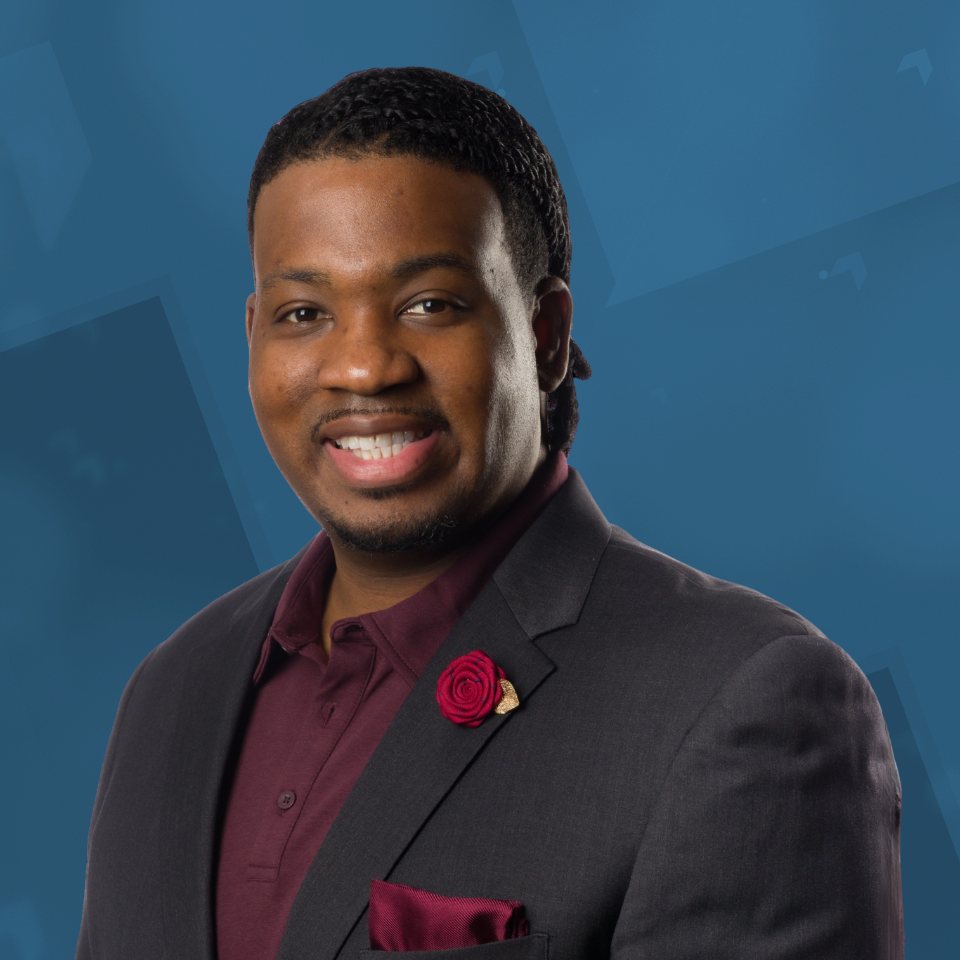
Access Board member Micheal Binns is Director and Associate General Counsel, Head of Patents & Trade Secrets for Meta. With over 15 years as a registered patent attorney, Micheal has led IP protection, licensing, and risk mitigation for some of the world’s most transformative technologies.
In a conversation with Access, Micheal reflected on the experiences that shaped his career, the lessons he’s carried forward, and why mentorship and community are central to both innovation and entrepreneurship.
Your career as a patent attorney has intersected with some of today’s most groundbreaking technologies. What first drew you to this field, and what keeps you hopeful or energized about its future?
As a patent attorney and general practitioner of Intellectual Property, what I call “property of the mind,” I’m fascinated by the simple idea that anything you can conceive of can be protected. From the beginning, it was the sheer breadth of technology that drew me in. I’ve always loved understanding how things work—whether it was the Nike Air bubble in my sneakers, developed through both patented innovation and closely guarded trade secrets, or the inner workings of electronics I tinkered with growing up.
Over time, that curiosity evolved into an appreciation for how invention shapes our world. Today, we’re in a space where augmented reality glasses can overlay real-time messages into your field of view, where virtual environments blur the line between physical and digital, and where AI is accessible in nearly every pocket.
What keeps me hopeful is the democratization of these tools. I remember going to a friend’s house in middle school just to see the internet—waiting 45 minutes for the dial-up connection, but marveling at the idea that so much information could be accessed from a single screen. For me, growing up humbly, technology was something that came with a cost barrier. Now, access is broadening, and that means more people—regardless of background—can create, protect, and change the future.
You’ve led IP strategy for tech like AI, robotics, and immersive tech: tools that are changing how we live and work. Why does it matter that the people and systems behind this innovation reflect the world we live in, and how does that influence legal strategy and overall business outcomes?
For me, it’s essential that the products and services we rely on are created by teams that reflect the full spectrum of the people who use them. When innovation mirrors society, we reduce the risk of bias, avoid legal pitfalls that could disadvantage certain groups, and ultimately create better, more inclusive technology.
And when I talk about diversity, I mean it in its fullest sense—not just gender or race, but also socio-economic, cultural, and geographical backgrounds. Each perspective adds dimension, helping to ensure that technology is designed with the broadest possible range of needs in mind.
From a legal strategy standpoint, this matters deeply. I make it a point to seek out the voices that are too often missing from the room. Their insights help identify risks, spot opportunities others might overlook, and lead to stronger business outcomes. Diverse teams don’t just check a box—they build better, more resilient products that serve the world as it actually is.
Can you share a milestone or challenge that reshaped the way you approach your work?
Most people don’t know this about me, but I originally planned to become a doctor. I was born in Jamaica, West Indies, and while I was able to take the MCAT after college and gain admission to medical school, I couldn’t pay for it as an overstay immigrant. It was disheartening—being called “Dr. Binns” by my principal since elementary school, and then watching that dream slip away.
During what became a two-year gap, I taught and started a tutoring company. That period unexpectedly introduced me to areas of the law I had never seen before. Growing up, I only knew criminal and family lawyers—but now I was meeting technology lawyers, employment lawyers, and more. I discovered there’s a lawyer for nearly every industry, and it sparked the idea that I could marry my love for science and technology with the intricacies of the law.
We all hit roadblocks. Was there a moment in your career when the people around you helped you get back on track or find a new way forward?
As I mentioned, I had a hard time when I didn’t get into medical school. It was my then-girlfriend (now wife), along with my family and friends, who reminded me that my intelligence and drive weren’t limited to medicine. They encouraged me to redefine my future and pursue law wholeheartedly. What I thought was the darkest setback of my life turned out to be the moment that reshaped my career—and ultimately led to the work I’m privileged to do today.
How important has mentorship been to your career and the work you do?
Mentorship has been the cornerstone of my career. I’m here today because people smarter than me believed in me—whether by trusting me to take on challenging work, opening doors, or pointing me toward opportunities where I could shine. Those moments shaped not only my career, but also the way I lead and give back.
That’s why I mentor across so many communities and organizations—Access Georgia, Page Turners Make Great Learners, ADAPT.legal, and others—creating pathways for the next generation of innovators. For me, it’s about leaving this profession, and the world, better than I found it, and ensuring that intellectual property can be a catalyst for both entrepreneurship and careers.
What has your experience in Metro Atlanta’s business community shown you about support, especially when it comes to uplifting the next generation of entrepreneurs?
Metro Atlanta is a tight-knit community of remarkably smart and successful people. When entrepreneurs here are given the right opportunities, resources, and support, the potential for success—for them, for our business community, and for the city’s economic growth—is limitless.
My vision is for Atlanta to become the Silicon Valley of the East for all who choose to build their dreams here. Through organizations like Access Georgia, we have the chance to strengthen and expand this ecosystem. Being part of that work—helping to uplift the next generation of entrepreneurs—is not only important to me, it’s deeply fulfilling.
What excites you about entrepreneurship and supporting small businesses and startups?
For me, small businesses and startups are the engine of economic success. I deeply value purposeful education—I’ve been through both undergrad and law school—but I’ve seen entrepreneurship change lives and transform families for generations. Supporting that kind of impact is extraordinary.
Right now, I’m especially energized by the growth of women and underrepresented groups in the entrepreneurial ecosystem. Let’s not forget—Spanx was started right here in Atlanta. I still remember reading Sarah Blakely’s first patent. She went from selling fax machines door-to-door to building a billion-dollar company, ultimately selling it and taking her entire staff to Hawaii. That story embodies what’s possible when someone with a dream has the right support.
Being part of an ecosystem that nurtures those possibilities—that helps turn vision into impact—is what excites me most about entrepreneurship and small business.
Partner Highlight: TiE Connect 2 Takes Place on September 18th
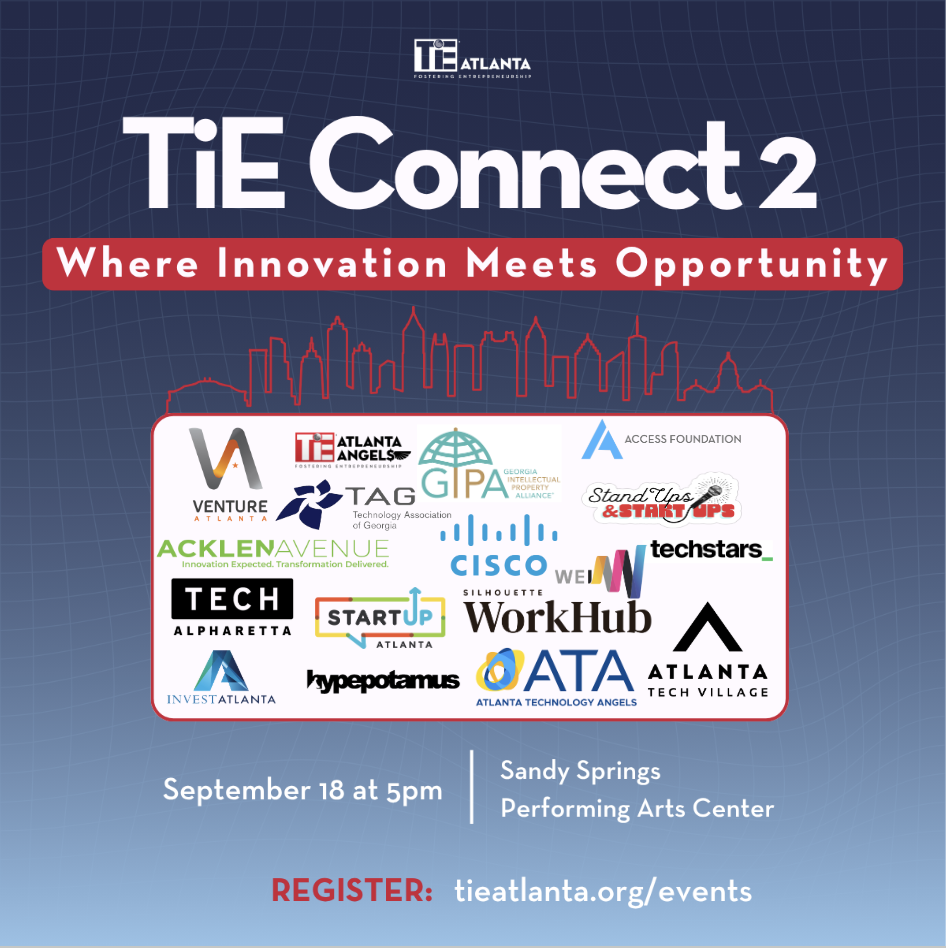
TiE Connect 2 brings together growth-stage companies, venture partners, and civic leaders for a structured networking event. Whether you’re raising capital, scouting strategic partners, or seeking your next portfolio company, this event is focused on productive outcomes.
Expect your network to grow more in one night than it would from a month of scheduling 1:1s.
When: September 18, 2025 at 5:00 p.m.
Where: Sandy Springs Performing Arts Center
The Takeaway
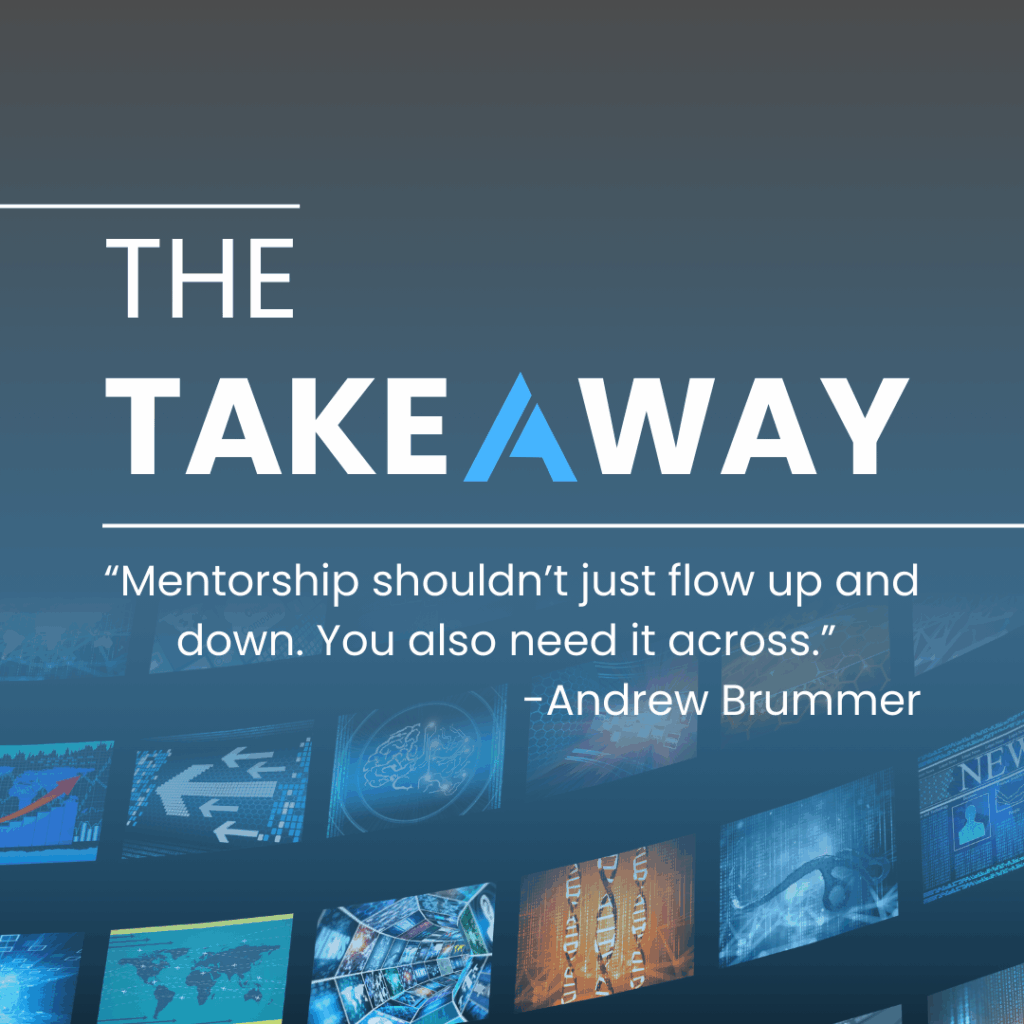
One of the biggest lessons from the Investor Showcase panel came from Andrew Brummer, who advised founders to start building a peer network early in their entrepreneurial journey. Specifically, a peer network of other CEOs who understand the unique challenges that come with leadership.
Not only does a trusted network of peers help you make better decisions and avoid costly missteps; it also reminds you that you’re not alone.
As Andrew warned, “It will be lonely at the top if you don’t start building your peer group now.”